

Why Follower is Not Your Final Destination
Have you ever looked around your workplace, your church, or even your own home and thought, "I’m just not the leader type"?
Maybe you’re someone who prefers the quiet of a home office to the spotlight of a boardroom. Maybe you’re the person who puts their head down, does the hard work, and ensures the family vacation is paid for every year without needing a round of applause. You look at the "born leaders” with the booming voices and the natural charisma, and you conclude that you are simply destined to be a follower.
I want to challenge that mindset today. Not just because it’s limiting, but because it’s factually incorrect. The truth is that follower is a role you might play at times, but it is never your identity. If you are waiting for a title to give you permission to lead, you are missing the incredible influence you already possess.
The "Run-of-the-Mill" Myth
Most of us have been conditioned by a very narrow definition of leadership. We’ve been taught that leadership is a corner office, a specific salary grade, or a loud personality. We’ve been led to believe that leaders are at the top, and everyone else is just filling space.
But if you search for the core of leadership, you’ll find a much simpler, more inclusive theme: Influence.
John Maxwell famously said, "Leadership is influence—nothing more, nothing less." If you can influence another person's thoughts, actions, or feelings, you are leading. This means that the mother guiding her child through a tantrum is leading. The colleague who stays late to help a teammate understand a new software is leading. The quiet friend who listens intently and offers wise counsel is leading.
Leadership is a Lifestyle, Not a Label
We often get stuck trying to find the perfect definition of a leader. We read books, attend seminars, and look for a checklist of traits. But leadership is less of a definition and more of a lifestyle. It isn’t something you turn on when you get a promotion; it’s the way you conduct yourself when no one is watching.
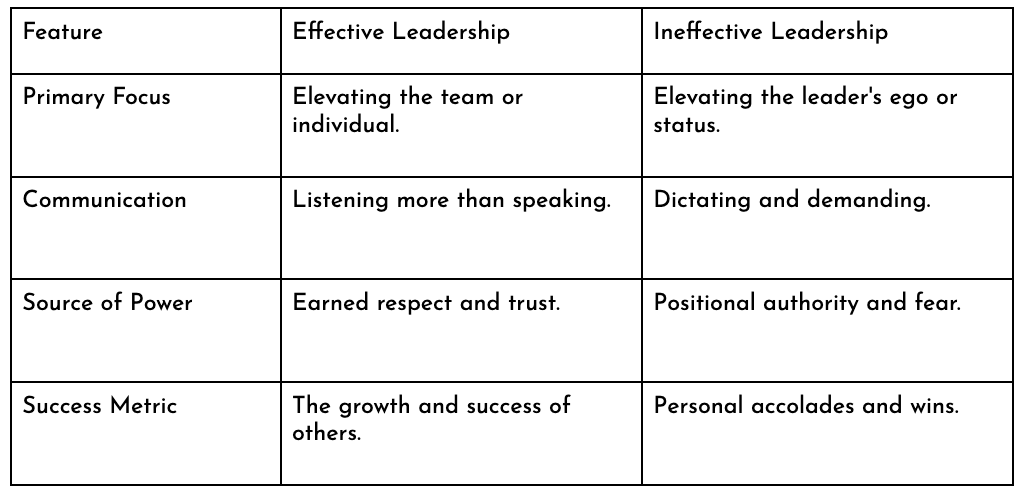
To understand this lifestyle, we have to look at the fundamental difference between effective and ineffective leadership:
Effective leadership ultimately elevates the person or team being led above the person leading. It is the inverted pyramid model, where the leader sits at the bottom, supporting the weight of the organization. Ineffective leadership does the opposite; it views people as tools to be used for the leader’s own ascent.
When you realize that being an effective leader simply means putting others before yourself, the follower label starts to disappear. You don't need to be the loudest person in the room to elevate your team or your family; you just need to be the most intentional.
The Power of the Quiet Leader
For the introverts reading this: your temperament is not a barrier to leadership; it is a specialized toolset. In a world that can’t stop talking, the person who listens has the most power.
Quiet leaders possess three distinct advantages:
Observation: You see the gaps that others miss. Because you aren't busy performing, you notice when a teammate is burnt out or when a process is failing.
Reflection: You think before you act. This leads to more stable, consistent leadership that people can rely on.
Empowerment: Because you aren't seeking the spotlight, you are naturally better at shining it on others, which is the very definition of effective leadership.
The First Small Step: Leading Where You Are
If you feel like you aren’t ready to lead, remember that leadership is built through small, daily deposits. You don’t need a promotion to start. You don’t need a stage. You just need to look for opportunities to serve those around you.
Consider your current spheres of influence:
Vocation: You might be one of 500 employees. You can lead by being the person who maintains a positive attitude during a difficult project or by mentoring the new hire who feels lost.
Home: You set the emotional tone of the household. Your patience and consistency are a form of leadership that will shape the next generation.
Your Community: Whether it’s at a kids' sporting event this weekend or a local volunteer group, you have influence. How will you use it to elevate someone else today?
Moving Beyond the Destination
The follower mindset is a comfortable place to hide. If you’re just a follower, you don’t have to take responsibility for the culture of your office or the health of your relationships. But you were made for more than hiding.
This is just the beginning of the journey. Over the next few weeks, we will dive into the Five Elements that I have identified as key to lasting leadership. These elements will help you grow into the leader you are capable of being. We will explore how to develop your character, communicate with impact (even if you're shy), and build a legacy that lasts.
“Leadership isn’t about being in charge; it’s about taking care of those in your charge.”
Your final destination isn't a title on a business card. It’s the version of you that shows up every day, ready to make the people around you better. You have influence. You have a voice. And starting today, you have permission to use them.